
Slate vs Tile: Which Roof Is Best for Your Cardiff Home?
May 20 2026
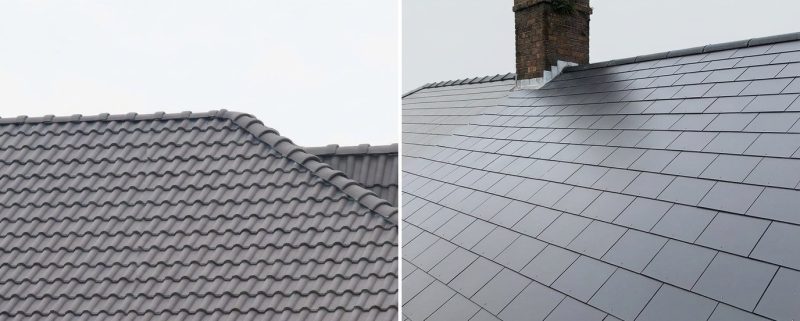
If you walk down almost any street in Cardiff or the Vale of Glamorgan, you’ll mostly see two types of pitched roof covering: slate and tile. Both look smart and cope well with our wet, windy climate, but they behave differently when it comes to cost, weight, lifespan and the roof slope they need.
This guide explains the key differences in simple terms so you can decide which is the better fit for your home and budget.
Slate and Tile: Two Proven Choices
Slate roofing uses thin pieces of natural stone, often from Wales or other UK quarries, laid in overlapping rows. It has a traditional look and is common on older terraces and period properties around Cardiff and the Valleys.
Tile roofing uses manufactured pieces, usually clay or concrete, also laid in overlapping rows to form a solid, waterproof layer. Tiles come in a wide range of colours and shapes, making them a popular choice on newer estates and many semi‑detached homes.
Both options work well in the UK climate. The right choice for you depends on how long you plan to stay in the property, the style of your street and how much you want to spend now versus over the long term.
How Long Will My Roof Last?
The lifespan of any roof depends on the material, how well it was fitted, and how it’s looked after. As a rough guide:
- Natural slate can often last 80–100 years or more when installed and maintained properly.
- Clay or concrete tiles typically give around 40–60+ years of service in UK conditions.
These figures assume basic maintenance, such as replacing the odd broken piece and keeping gutters and valleys clear so water can flow away. In more exposed parts of South Wales, like coastal areas or hilltop locations, using the right fixings and having the roof checked every so often can help you reach the upper end of those lifespans.
If you’re thinking long‑term and plan to stay put for decades, slate can be a very attractive “fit and forget” option. If you’re likely to move sooner, tiles may offer a better balance of cost and durability.
Weight: Can Your Roof Structure Cope?
Slate and tile don’t weigh the same, and that matters for the structure underneath.
- Slate is heavier, typically around 20–35 kg per m².
- Tiles are lighter overall, roughly 7–20 kg per m², depending on type.
Slate is heavier. That weight must be supported by your rafters, timbers and walls. If your house was originally built with a slate roof, switching to lighter tiles is usually straightforward. Going the other way, from a lightweight tiled roof to heavier natural slate, may require a structural check and, in some cases, strengthening work.
This is where a professional survey pays for itself. Cardiff and Vale Roofing can assess your existing structure and advise whether your roof is already suitable for slate, or if tiles (or a lightweight slate‑effect option) would be more sensible.
Cost Today vs Cost Over Time
Slate typically costs around £160 per m², while tiles are often closer to £120 per m². This reflects the general pricing across the UK:
- Slate is usually one of the more expensive options upfront
- Tiles are often more budget-friendly to install
However, because natural slate can last so long, the cost per year of use can be lower than it first appears. A tile roof may be cheaper on day one, but if it only lasts half as long, you could be paying for another full re-roof sooner.
A simple way to think about it is:
- Slate – higher initial cost, but potentially a long-term solution if you plan to stay
- Tiles – lower upfront cost, but more likely to need replacing within a few decades
Looking at cost over the next 30–50 years, rather than just the immediate price, can help you make a more informed decision.
Roof Pitch: Why It Matters
The angle of your roof affects which materials can be used safely.
- Slate usually works best on steeper roofs
- Tiles can be used on lower-pitch roofs, depending on the type
If the wrong material is used for the roof angle, water may not drain properly and this can lead to leaks over time.
A roofer will always check your roof pitch before recommending the best option, so you don’t need to figure this out yourself.
Not sure what type of roof you have? Read our guide, “Gable, Hip or Dormer? Understanding Your Existing Roof”, to find out.
How to Choose for Your Own Property
For most homeowners, the choice between slate and tile comes down to a few key factors:
- Budget – what you want to spend now and over time
- Style – what suits your home and surrounding properties
- Structure – what your roof can safely support
- Plans – how long you expect to stay in the property
In some areas, especially conservation zones, there may be restrictions on materials, so it’s worth checking before making a decision.
A simple next step is to get two quotes, one for slate and one for tile, so you can compare cost, lifespan and suitability for your home.
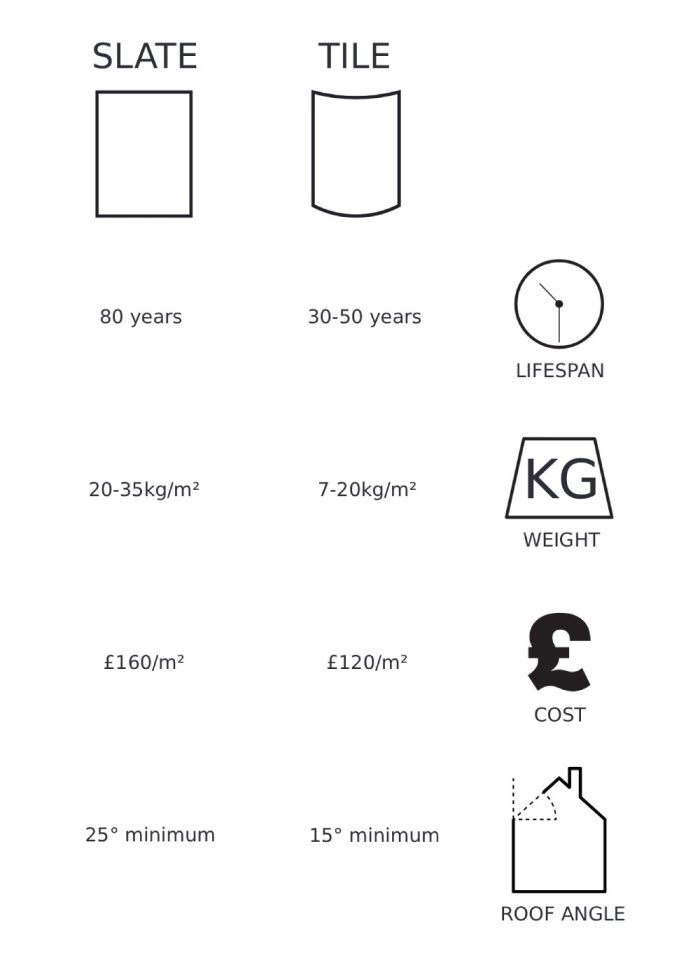
A breakdown of differences between slates and tiles for roofing
Why Cardiff and Vale Roofing
Cardiff and Vale Roofing has extensive experience installing both slate and tiled roofs across Cardiff and South Wales.
The team provides clear, practical advice to help homeowners choose the most suitable material based on their property, budget, and long-term plans.
Request Advice or a Quote
If you’re planning a roof replacement and unsure whether slate or tile is right for your home, contact Cardiff and Vale Roofing for help. Their team will explain your options clearly and recommend the most practical, durable solution for your home.
By Oaks Digital SEO