
Thinking About a Flat Roof Extension? A Simple Guide to Single Ply Flat Roofs
May 25 2026
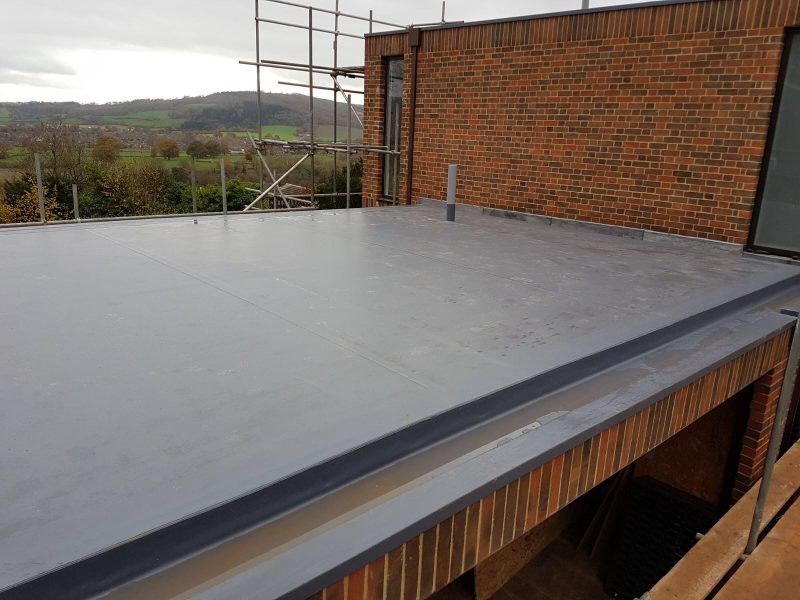
Flat roof extensions are now a common sight across Cardiff and the Vale of Glamorgan. They’re a popular way to add a larger kitchen, open-plan living space or a home office without overwhelming your garden or neighbouring properties. A flat roof helps keep the overall height down, makes it easier to add rooflights, and gives a clean, modern look that suits many homes.
This guide explains how single ply flat roofs work, why they are commonly used for extensions, and what to consider before choosing one for your property.
Why Flat Roof Extensions Are So Popular
Flat roof extensions work especially well on the back of terraces and semis in Cardiff. They:
- Make it easier to add big rooflights over a kitchen or dining area
- Keep the extension height sensible near garden boundaries
- Work well with bi‑fold or sliding doors to the garden
- Offer a modern, simple finish that can suit both new and older properties
They’re also a practical option for dormers and corridor roofs, where space is tight and a pitched roof would be awkward or too high.
What Is a “Single Ply” Flat Roof?
A single ply flat roof uses one main waterproof layer, called a membrane, instead of lots of layers of felt. This membrane is laid over insulation, which in turn sits on a supporting deck (the structural boards that form the base of the roof).
You can imagine it as a sandwich above your extension ceiling:
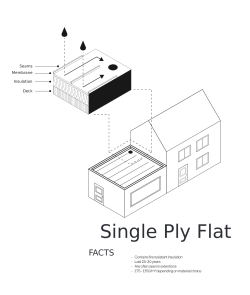
- Deck at the bottom (fixed to the joists)
- Rigid insulation boards in the middle
- Single ply membrane on top, with seams sealed so water cannot get through
The membrane sheets are joined together at the seams, either with heat or special adhesive, to create one continuous waterproof skin. This is what keeps the rain out and protects everything below.
The Key Layers, One by One
A single ply flat roof is made up of three main layers that work together to keep your home warm and watertight:
- Deck
This is the base of the roof, usually made from timber boards fixed to the joists. It provides the structure and supports everything above. - Insulation
This sits above the deck and helps keep heat inside your home. Good insulation improves comfort and reduces energy costs. - Waterproof membrane
This is the top layer that keeps the rain out. The sheets are joined at the seams to create a continuous, watertight surface.
Together, these layers create a durable and reliable flat roofing system for your extension.
Flat Roofs Aren’t Really Flat
Although we call them “flat roofs”, they are never completely flat. Every good flat roof is built with a slight pitch (or fall) so water can run off. If water is allowed to sit on the surface for long periods, it can shorten the life of the roof and lead to problems.
Your roofer will build in a gentle slope so rainwater runs towards:
- A gutter along the edge
- A hopper and downpipe
- Or an internal outlet linked to the drainage system
Getting this slope right is a key part of a flat roof installation. Keeping gutters and outlets clear of leaves and debris is one of the simplest ways to help your roof last longer.
Lifespan, Cost and Everyday Use
A well-installed single ply flat roof typically lasts around 25–30 years when properly maintained. It should not need constant repairs, but occasional checks, especially after severe weather, are recommended.
In terms of cost, single ply systems are usually mid-range. The final price will depend on:
- The size and shape of your extension
- The membrane type and thickness
- The insulation used
- The complexity of edges and drainage details
They are generally more expensive than basic felt systems, but more affordable than some high-end flat roofing options. A good roofer will provide a clear, detailed quote covering both materials and labour.
Single ply roofs are not designed for regular foot traffic, but they can handle occasional access for maintenance. Walkway pads can also be added where needed.
When Is a Single Ply Flat Roof a Good Choice?
Single ply flat roofs are a strong option for:
- Rear kitchen and living room extensions
- Dormer loft conversions
- Corridor roofs between parts of a home
- Flat roofs over bay windows, porches and small additions
They are relatively lightweight, which makes them suitable for older properties. They can also be neatly fitted around walls, windows and doors, giving a clean and tidy finish.
Questions to Ask Your Roofer
Before you decide on a single ply system, you might want to ask:
- How long is the manufacturer’s warranty on the membrane?
- What type and thickness of insulation will you use?
- How will you create the falls to make sure water drains away?
- How will the roof be finished at the edges and around rooflights or walls?
- How often should I have the roof checked or maintained?
- Will the roof meet current Building Regulations, including insulation standards?
Clear answers to these questions will help you feel confident that your flat roof extension will look good, perform well and stand up to South Wales weather for years to come.
Why Cardiff and Vale Roofing
Cardiff and Vale Roofing has extensive experience installing modern flat roofing systems across Cardiff and South Wales.
The team provides clear, practical advice to help homeowners choose the right solution based on their property, budget, and long-term plans.
Request Advice or a Quote
If you’re planning a flat roof extension and want to understand your options, contact Cardiff and Vale Roofing. Their team will explain the different systems available and recommend a durable, practical solution for your home.
By Oaks Digital SEO