
What Causes a Roof Leak? A Cardiff Homeowner’s Guide
July 10 2026
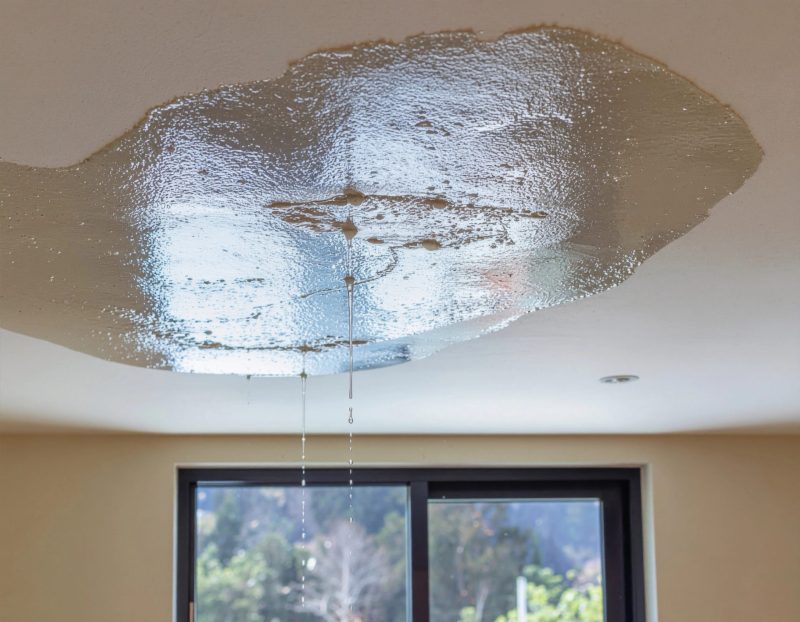
A damp patch on the ceiling is one of those things that tends to appear at the worst possible moment, often during a week of heavy rain or the morning after a storm. The instinct is to assume the worst and to assume the problem is directly above where the stain has appeared.
In reality, roof leaks are rarely that straightforward. Water can enter the roof at one point, run along a timber or across a membrane, and emerge as a damp patch several metres away from where it actually got in. Getting to the source of a roof leak, rather than just treating the symptom, is what makes the difference between a lasting repair and a recurring problem.
Understanding the common causes can help Cardiff homeowners make sense of what they are dealing with before a roofer arrives.
Missing or Slipped Roof Tiles
On the pitched roofs that cover much of Cardiff’s housing stock, individual tiles or slates can slip, crack or go missing altogether. It does not take a major failure for water to enter. A single displaced tile can be enough to create an opening for wind-driven rain.
Many older Cardiff terraces still have roofing materials that have been in place for decades. As mortar and fixings deteriorate, tiles can gradually become less secure. A slipped tile is not always obvious from ground level and may only come to light once a leak develops indoors.
Lead Flashing Failure
The junctions between a roof and surrounding structures, such as chimney stacks, dormer walls and extensions, are sealed using lead flashing. When that flashing deteriorates or becomes displaced, water can enter the roof structure and find its way into the property.
Lead flashing failure is a common cause of roof leaks on Cardiff’s Victorian and Edwardian homes. Age, thermal movement, deteriorating mortar and previous repairs can all contribute to problems over time.
Chimney Stack Defects
Chimney stacks are one of the most exposed parts of any roof. Damaged pointing, cracked flaunching, deteriorating brickwork and failed flashing can all allow water to enter.
The challenge is that chimney defects often develop gradually and can go unnoticed for years. By the time damp appears on a chimney breast or upper-floor ceiling, the problem may already be well established.
Where a leak appears close to a chimney, the condition of the stack itself should always be considered alongside the surrounding roof coverings.
Flat Roof Deterioration
Many Cardiff properties have flat roofs on extensions, garages and outbuildings.
As flat roofing systems age, they can develop splits, blisters or weak points in the waterproof membrane. During prolonged rainfall, water can find its way through these areas and into the room below.
Blocked outlets and poor drainage can make matters worse by allowing water to remain on the roof surface for extended periods.
Blocked Gutters and Drainage
Gutters play an important role in directing rainwater away from the property. When they become blocked with moss, leaves or debris, water can overflow or back up into areas where it should not be.
Although less obvious than a missing tile or failed flashing, blocked gutters can still cause persistent moisture problems if left unresolved. This is particularly common on streets with mature trees or heavy moss growth.
Why the Leak Rarely Appears Where It Started
This is one of the most misunderstood aspects of roof leaks.
When water enters a roof structure, it usually follows the path of least resistance. It may travel along timbers, across roofing felt or down the inside of a wall before becoming visible.
As a result, the damp patch you can see is often not where the water entered the roof.
This is why successful leak diagnosis involves looking at the wider roof area rather than focusing solely on the visible stain.
Signs Worth Taking Seriously
Many roof leaks provide warning signs before significant damage occurs.
Signs worth investigating include:
- Brown or yellow staining on ceilings or upper-floor walls
- Drips during heavy rainfall
- Damp patches that worsen after storms
- Musty smells in upstairs rooms or loft spaces
- Moisture or discolouration around roof timbers and insulation
While these signs do not always indicate a roof leak, they are worth investigating, particularly after periods of wet weather.
Fixing the Source, Not Just the Symptom
Roof leaks often return because the visible damage was addressed rather than the actual cause.
Repainting a stained ceiling may improve its appearance temporarily, but the problem will return if water is still entering through the roof.
A proper repair begins with identifying where the water is getting in. That may involve checking roof coverings, flashings, chimney details and drainage systems before deciding on the most appropriate repair.
For homeowners experiencing recurring damp or unexplained leaks, understanding the source of the problem is often the most important step.
Cardiff & Vale Roofing carries out roof leak investigations and repairs across Cardiff and South Wales, covering everything from slipped slates and damaged flashing to chimney defects and flat roof issues.
If you have noticed signs of a roof leak and would like professional advice, get in touch with our team. We can assess the issue, identify the source of the problem and recommend the most appropriate repair for your property.
By Oaks Digital SEO