
Moss on Your Roof: Should You Be Worried?
July 13 2026
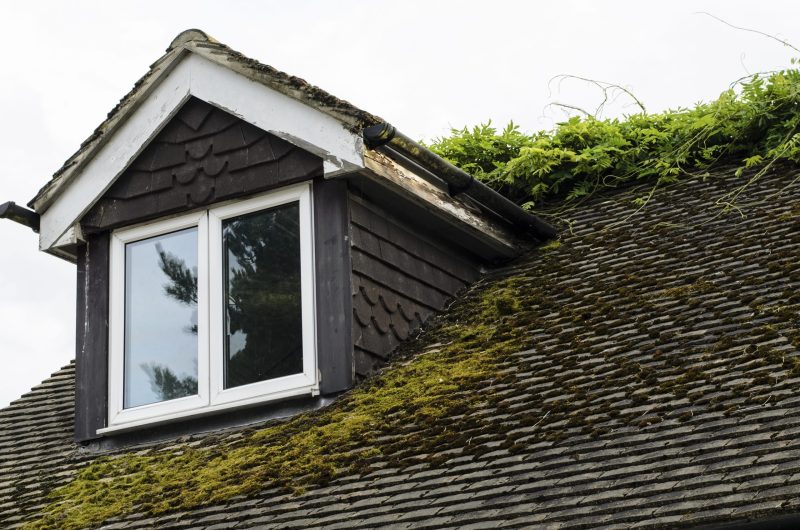
Moss is one of the most common things Cardiff homeowners notice on their roofs. A green covering on an older slate or tiled roof can make a property look neglected, and it is natural to wonder whether it is causing damage.
The honest answer is: sometimes. Moss is not automatically a problem, but it is not always harmless either. The right response depends on how much moss is present, where it is growing, and the condition of the roof beneath it.
Why Moss Grows on Roofs
Moss thrives in damp, shaded environments, which makes South Wales an ideal location for growth. Cardiff receives significant rainfall throughout the year, and many residential streets are lined with mature trees that reduce sunlight and slow the drying process after rain.
Roof coverings also play a role. Older slate, clay and concrete tiles tend to have rougher surfaces that provide moss with something to grip onto. Newer roofing materials are generally smoother and less susceptible to growth.
North-facing roof slopes are often affected more heavily because they receive less direct sunlight and remain damp for longer periods. It is not unusual for one side of a roof to have noticeably more moss than the other.
When Moss Is Mostly Cosmetic
On a roof that is otherwise in good condition, moss is often little more than a cosmetic issue.
The tiles or slates remain intact, the drainage system is working properly, and the moss is simply growing on the surface. While some homeowners choose to have it removed for appearance reasons, it is not necessarily causing active damage.
That said, heavy moss growth is often found on roofs that have not been inspected for some time. The moss itself may not be the problem, but it can sometimes appear alongside other issues that have developed unnoticed.
Where Moss Can Cause Problems
Moisture Retention
Moss absorbs and holds water. A thick covering can keep roof surfaces damp for longer than they would otherwise be.
On older roofs, particularly those with ageing concrete or clay tiles, this additional moisture can accelerate surface wear and weathering. Well-maintained roofs are generally less affected, but moisture retention can become a concern where materials are already beginning to deteriorate.
Tile Displacement
As moss grows, it can work its way into small gaps between tiles and slates.
Moss alone is unlikely to move a secure tile, but on an older roof where fixings or bedding have already weakened, it can contribute to minor displacement. In these situations, the moss is usually a contributing factor rather than the primary cause.
Gutters and Drainage
This is often where moss causes the most noticeable issues.
Fragments of moss can wash into gutters and downpipes, where they combine with leaves and other debris. Over time, this can restrict drainage and lead to overflowing gutters.
Blocked gutters can contribute to moisture problems around the roofline and eaves. In some cases, they may also play a role in issues discussed in our guide to What Causes a Roof Leak?
A Note on Older Roofs
Heavy moss growth on an older roof can sometimes indicate that the roof coverings are becoming increasingly porous with age.
This does not mean the roof needs replacing. However, it may suggest that the condition of the tiles or slates is worth assessing more closely, particularly if the roof has not been inspected for several years.
The focus should be on the condition of the roof itself rather than the presence of moss alone.
What Should Homeowners Do?
Moss on a well-maintained roof with sound tiles and clear gutters is generally a low priority. Monitoring the situation and keeping drainage systems clear is often enough.
However, where moss growth is heavy, where gutters are becoming blocked, or where other signs of deterioration are present, it may be worthwhile to have the roof assessed.
The key question is not whether moss is present, but whether it is appearing alongside issues that require attention.
The presence of moss does not automatically mean there is a problem with your roof. In many cases it is simply a result of Cardiff’s climate and the age of the property.
What matters is understanding whether the moss is purely cosmetic or whether it is appearing alongside other issues such as ageing roof coverings, blocked gutters or signs of water ingress.
Cardiff & Vale Roofing works on pitched roofs across Cardiff and South Wales, including older tiled and slated properties where moss growth is common. Get in touch to arrange an assessment or request a quote.
We cover Cardiff and surrounding areas including Roath, Canton, Pontcanna, Penarth, Barry, Llandaff, Pontypridd and across the Vale of Glamorgan.
By Oaks Digital SEO