
Chimney Repointing in Cardiff: What the Job Involves and When It Is Needed
October 21 2026
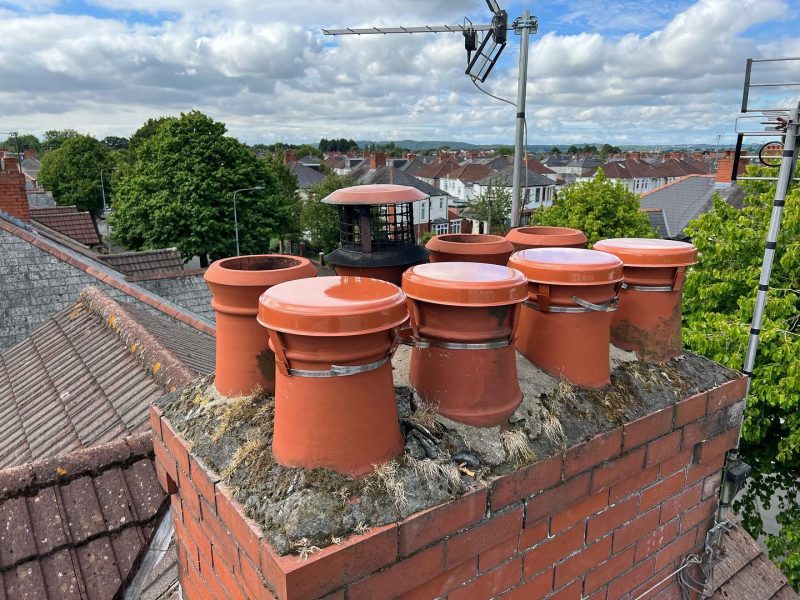
Of all the maintenance tasks that come with owning an older Cardiff property, chimney repointing is one of the most commonly overlooked. Because the chimney sits at the highest point of the roof, it is often out of sight and easy to forget about until problems begin to appear.
By the time damp patches develop on a chimney breast or a survey highlights the stack as a concern, the mortar joints have often been deteriorating for many years.
What Is Chimney Repointing?
Chimney repointing is the process of removing old or damaged mortar from between the bricks of a chimney stack and replacing it with fresh mortar.
In most cases, the brickwork itself remains in good condition. It is the mortar joints that deteriorate first, as they are constantly exposed to rain, frost and changing weather conditions. Over time, these joints begin to break down, allowing water to work its way into the chimney.
Many Cardiff properties still have Victorian or Edwardian chimney stacks where the original lime mortar has been in place for decades. Even where repointing has been carried out previously, the work may need to be repeated after 20 to 30 years, depending on the materials used and the quality of the original repair.
Why Mortar Joints Deteriorate
Chimneys are exposed to the weather throughout the year, making them one of the most vulnerable parts of any roof.
Across Cardiff and South Wales, frequent rainfall combined with winter freeze-thaw conditions gradually wears away the mortar between the bricks. As the mortar becomes more porous, it absorbs moisture instead of shedding it. During colder weather, this moisture freezes and expands, causing the joints to crack and break down over time.
Once the mortar begins to fail, rainwater can penetrate the chimney stack more easily, increasing the risk of damp and further deterioration. This is particularly common on older Victorian terraces in areas such as Roath, Canton and Cathays, where many original chimney stacks remain in place.
Signs a Chimney May Need Repointing
It is not always easy to spot chimney problems from ground level, but there are several signs worth looking out for.
You may notice:
- Mortar joints that appear cracked, recessed or missing.
- Dark staining on the chimney brickwork after rainfall.
- Damp patches on a chimney breast, particularly after wet weather.
- A musty smell in rooms containing a chimney.
- Loose mortar or small pieces of brick falling onto the roof or into the gutters.
Even if there are no obvious signs inside the property, it is worth having an older chimney inspected periodically, particularly on Victorian and Edwardian homes. If you are unsure what to look for, understanding the early signs of chimney stack problems can help identify issues before they become more serious.
What Chimney Repointing Involves
On most Cardiff properties, chimney repointing requires scaffolding to provide safe access to the stack.
Once access has been established, the old mortar is carefully removed from the joints before fresh mortar is applied. This creates a strong, weather-resistant seal between the bricks and helps prevent water entering the chimney.
Choosing the correct mortar is particularly important on older Cardiff properties. Many Victorian chimney stacks were originally built using lime mortar, which is softer and more flexible than modern cement-based products. Using an unsuitable mortar can place unnecessary stress on the brickwork and may lead to further damage over time.
For this reason, it is important to choose a contractor who understands the age and construction of the property and can use materials that are appropriate for the existing chimney.
Repointing Alongside Other Chimney Repairs
Chimney repointing is often carried out alongside other maintenance work while scaffolding is already in place.
The flaunching at the top of the chimney, which secures the chimney pots, should be inspected for cracks or deterioration. It is also sensible to check the lead flashing around the base of the chimney, as damaged flashing can allow water to enter the roof even if the pointing itself is in good condition.
Carrying out these repairs as part of the same project can often reduce costs and helps ensure the chimney is repaired properly rather than addressing one issue at a time.
How Long Does Chimney Repointing Last?
A well-executed chimney repointing job can typically last between 20 and 30 years, and often longer when suitable materials have been used.
Its lifespan will depend on the quality of the workmanship, the type of mortar used and the overall condition of the chimney. Regular inspections can also help identify smaller issues before they develop into more significant repairs.
When Repointing Is Not Enough
Although repointing resolves deteriorating mortar joints, it will not solve every chimney problem.
If the bricks themselves have started to break down or the chimney stack has become unstable, additional repairs may be required. In some cases, damaged bricks can be replaced individually, while more severe structural issues may require sections of the chimney to be rebuilt.
A professional inspection will identify the underlying cause of the problem and determine whether repointing alone is sufficient or if more extensive repairs are needed.
Need Advice About Your Chimney?
Cardiff & Vale Roofing carries out chimney stack repairs across Cardiff and South Wales, including chimney repointing, flaunching repairs, leadwork and brickwork repairs. Where chimney defects have affected the roof, associated roof repairs can also be carried out as part of the same project.
If you have noticed signs of deterioration or would like advice about the condition of your chimney, get in touch with our team or request a free, no-obligation quote.
By Oaks Digital SEO